
By Lauren Mitchell December 21, 2025
The hospitality sector has experienced a significant transformation in recent years, where safety, speed and convenience are at the core of guests’ experiences. The most noticeable shift has been the increase in contactless options, especially at check-in and checkout. Once a value-added feature, it’s been flipped on its head and has emerged as an expectation for today’s high-efficiency-minded traveler that encourages limited physical interaction.
For small lodgings, incorporating contactless check-in and check-out payments is not just following the trend, it’s strategic to stay competitive. They enable guests to securely pay and settle their accounts with a smartphone or digital wallet, bypassing the front desk to speed up check-in and ensure guest satisfaction.
By going contactless, small properties can not only deliver a better guest experience, but also reduce operational expenses, eliminate errors and allocate staff more wisely. With more efficient operations and quicker payment reconciliation, small lodgings are able to operate much like larger hotel chains.
In today’s marketplace, adopting contactless payment technology isn’t just about convenience; it is about positioning small lodgings toward success in an increasingly digital-first hospitality industry.
Let us understand what are some of the important things that small lodgings must be aware of.
The Shift Toward Contactless Hospitality
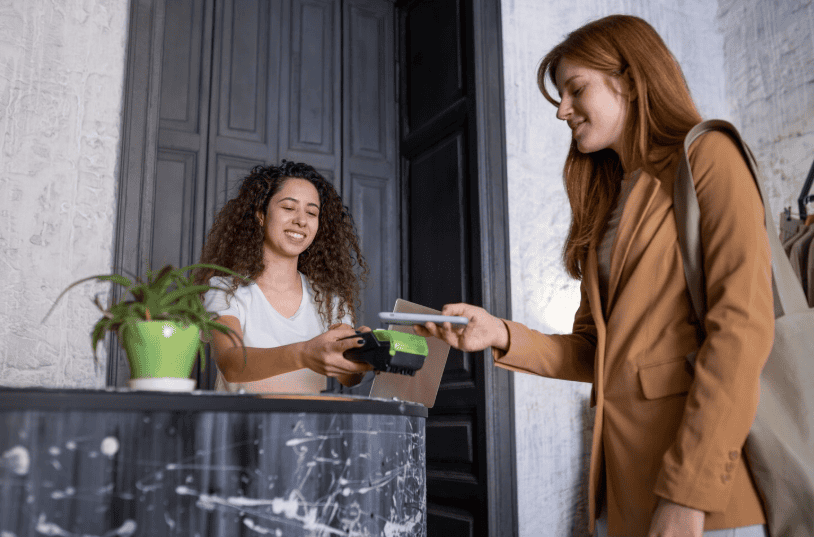
At small lodgings, check-in and check-out used to be a matter of paper forms, face-to-face interactions and cash payments. Guests would line up at the front desk, showing identification, signing paperwork and paying their bills in cash or with a card. Although this method was very personal, it was time-consuming and there were long waiting times at peak hours as well.
The hospitality industry was impacted by the COVID-19 pandemic, when safety and as little personal contact as possible became pressing priorities. Even lodging of all types got pushed into the digital space as they looked to limit in-person interactions. Now contactless check-in apps and keyless room entry rapidly caught on — not as conveniences, but as necessities in which to reassure guests while keeping operations on track.
Consumer expectations have been shifting even beyond the pandemic. Today, travelers seek swift and seamless touch-free experiences both in booking accommodation and at check-out. They look to skip long lines and the handling of physical paperwork or credit cards. In small premises, this is a particularly important change. Incorporating contactless check-in and check-out procedures is no longer a luxury, but rather a competitive necessity to satisfy consumer expectations as well as keep up with the larger hotel chains that have already jumped on board this digital bandwagon.
As they increasingly adopt contactless hospitality, small accommodations can offer a contemporary, streamlined and secure experience in form of contactless check-in and check-out payments that builds consumer confidence in their property and brand.
What Are Contactless Check-In and Check-Out Payments?
In the hospitality industry, contactless check-in and check-out payments is an entirely digital payment process, which requires no physical interaction for payments or handling cards or cash. Visitors can check in, pay and get into a room, all without having to stand at the reception desk.
Here are some of the systems that make this possible:
- Mobile Wallets: As technology advances and times change, convenience is key for guests who want to pay fast through mobile wallets such as Apple Pay or Google Pay.
- Tap-to-Pay Credit Cards: Contactless credit cards make the payment process as easy as a tap over the terminal and no swipe, or insertion needed.
- Payments Through QR Code and Link: Smaller lodges can either generate a QR code or provide a secure link to the guest for making their payment on their smartphone itself.
- Online Pre-Check-In: Guests fill out forms, pay online prior to arrival making the check-in process faster.
Now many of these modest lodgings offer digital keys or mobile apps for guests. After payment has been confirmed via a secure payment processor, guests can receive a digital room key on their smartphone and go directly to their room. This integration eliminates delays and minimizes any points of contact with the guest, while aligning with today’s expectation in hospitality.
Benefits of Contactless Check-In & Check-Out Payments for Small Lodgings
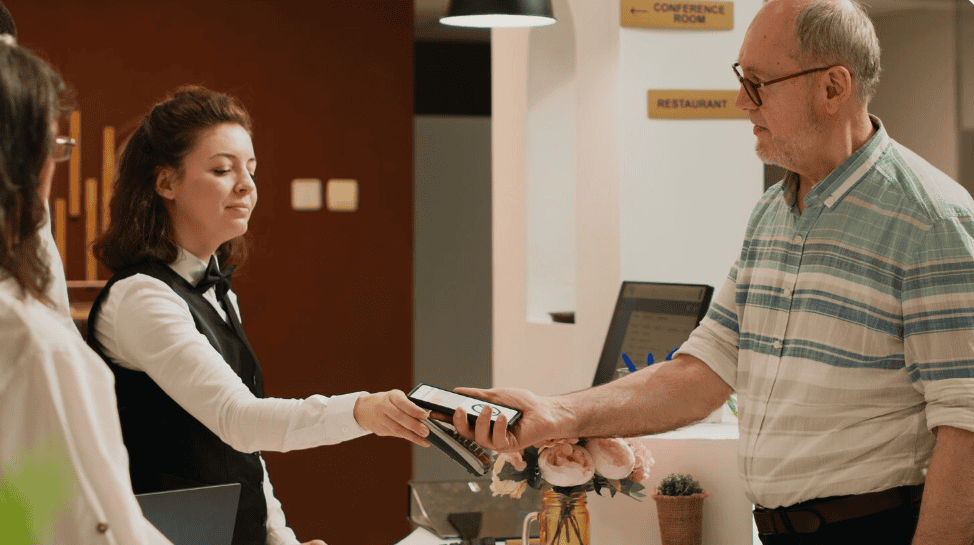
There are several benefits for small lodgings beyond convenience to be had from adopting contactless check-in and check-out payment.
Convenience for Guests
It enables visitors to avoid lines and prepay in convenience, so they can go straight to their rooms. The checkout process is just as easy with digital receipts circulating automatically.
Operational Efficiency
The staff is able to concentrate on guest services rather than individually handling payments. This results in quicker room turns and more productivity.
Cost Savings
Touchless systems cut down on mistakes from manually entering information and eliminate paper billing. Automating these functions saves administrate fees long term.
Safety and Hygiene
Reduced touch-point encourages guests to feel safe about their health and safety. This has become even more crucial for a post-pandemic world where hygiene is closely related to guest satisfaction.
Revenue Opportunities
Hotels are able to sell upsells to lodgings with digital platforms, dining packages, spa treatments or longer stays through contactless check-in and check-out payments. During digital checkout, these add-ons can be offered to further raise per-guest revenue.
Payment Security and Compliance
Security is a critical consideration for contactless check-in and check-out systems. Any payment option must adhere to the Payment Card Industry Data Security Standard (PCI DSS) that standardizes how cardholder data is safely processed and secured. For small lodgings, following these guidelines can keep guest information (like credit card numbers) safe and help reduce liability in case of any data breaches.

Two technologies come into play to make that possible: tokenization and encryption. Tokenization eliminates the need to have real card information on your phone, meaning no actual card numbers are ever stored when a token is present. Encryption protects data during communication in a way that it is indecipherable to all unauthorized entities. These layers of security combined provide merchants and guests with multiple levels of security.
A trusted payments partner provides an extra layer of protection, with inbuilt fraud monitoring and secure authentication solutions. Processors also help with meeting global privacy regulations like GDPR and CCPA. For small lodgings welcoming guests from different regions, compliance with these laws builds trust and protects the business from legal risks.
As small lodgings and hotels invest in secure payment methods, they aren’t just safe-guarding the private data of their guests, but also strengthening themselves as a reliable provider that keeps the guest in mind.
Technology Options to Embrace contactless Check-In & Check-Out Payments
Today’s small lodgings have a range of technology platforms to choose from when implementing contactless check-in and check-out.
Cloud-based PMS (Property Management Systems): These property management systems handle bill generation, guest response and reservation in one. Most modern PMSs integrate with contactless payment technology, so it’s a neat, consolidated solution in itself.
Unwired Contactless Terminals: Great for inns or B&Bs looking for a more straightforward setup. These terminals enable tap-to-pay transactions without massive system changes.
Mobile Check-In Apps: Use personalized apps or third-party solutions to offer remote, mobile contactless check-in to guests including digital room keys and payment transactions from their smartphones.
When weighing the costs, smaller lodges will need to consider if they are better off with a subscription-based model or a per-transaction fee structure. Subscription-based plans offer predictable monthly fees, while per transaction fees can be cheaper for less frequented or seasonally in-demand properties.
The decision on which vendor to choose depends on the size and scale of your property, as well as what type of guest you are trying to attract. For instance, a boutique hotel that receives international guests could use a PMS with multicurrency and multilanguage functions, but a small B&B may require no more than a small-scale mobile app.
Guest Experience and Marketing Advantages
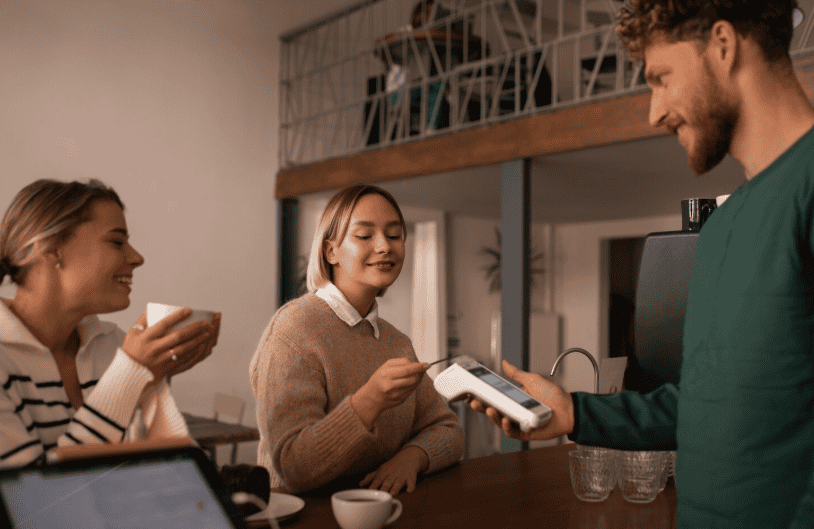
Contactless check-in and check-out- payments offer small lodgings a big advantage in guest service and marketing. We all know that first impressions are important, and with a contactless self check-in your guest is welcomed to an experience that starts off hassle free, comfortable and professional. Guests can skip paperwork and lines, going directly to their rooms — a benefit that most of us appreciate after long travel days.
They build loyalty beyond convenience by providing digital receipts, loyalty points and personalized offers either in app or through email confirmations. It fosters better guest relations and repeat stays.
From a marketing perspective, promoting contactless services positions small lodgings as forward-thinking and guest-centric. Travelers increasingly seek modern conveniences, and advertising this feature can attract tech-savvy and younger audiences who prioritize efficiency. International guests also appreciate the familiarity of global payment methods available through contactless systems.
In these competitive markets, this can be a powerful selling point. By catering to changing guest needs, small lodgings improve satisfaction while also gaining a promotional edge that builds brand and increases bookings.
Common Challenges for Small Lodgings
Although contactless check-in and check out procedures can bring great benefits, particularly for smaller lodgings, there are a few barriers to them.
Technology investment cost is a frequent issue. For SMEs operating on shoestring budgets, the investment in cloud-based property management systems, mobile apps or contactless terminals can seem daunting. Owners naturally question the return on investment (ROI), especially if occupancy rates fluctuate seasonally.
Staff training presents another barrier. Front desk employees and housekeepers might need to learn new tools, and that takes time, money and long-term patience. Systems not properly trained on could either go unused or become guest annoyances.
In more remote or rural locations, lack of internet can limit the reliability for digital check-ins. Which means backups are the only way to make sure that guests do not get into a mess.
And then there’s the headache of integrating with those old school booking systems as well. A lot of older systems are not built to mesh with this new contactless technology and can become inadequate without upgrades or enhancements.
Finally, some segments of lodgings experience guest push-back, especially from the less tech-savvy traveler who would rather interact face-to-face in person. A balance between digital and personal service is frequently the ideal approach to address this issue.
Best Practices for Implementation
For small lodgings, successful adoption of contactless check-in solutions lies in strategic, guest-friendly execution.
A realistic first step is to phase technology rollouts. For instance, implementing mobile payments or digital receipts ahead of full contactless check-in gives both employees and guests time to adapt.
Choosing user-friendly platforms is equally important. Systems should be intuitive for both staff and guests, minimizing the need for lengthy instructions or troubleshooting.
Good communication is also very important. Lodgings should give guests notice in advance about contactless options — in booking confirmations, emails or on their websites — so that they know what to expect when they arrive.
Staff training should not only cover how to use the system but also how to troubleshoot common issues quickly and effectively. A well-prepared team builds guest confidence in the technology.
Last, but not least, continuous feedback collection enables services to be improved. Guest feedback, input from staff, or data on performance can all contribute to changes as needs and use of digital systems evolve.
With these measures in place, small accommodations can clear the hurdles to adoption and maximize the gains of contactless hospitality.
Conclusion
The hospitality industry is entering a new era where contactless check-in and check-out are no longer optional luxuries but vital components of guest satisfaction. For small lodgings, these solutions provide an opportunity to compete with larger hotels by enhancing convenience, improving operational efficiency, and ensuring guest safety.
While challenges such as technology costs, training, and integration exist, they can be managed with careful planning, phased rollouts, and a focus on user-friendly platforms. By embracing secure, compliant, and transparent digital payment methods, small lodgings can create a smoother guest experience, foster loyalty, and strengthen their competitive edge in today’s market.
FAQs
1. What is contactless check-in?
Contactless check-in allows guests to register, pay, and access their rooms digitally — often through mobile apps, QR codes, or online portals — without needing face-to-face interaction at the front desk.
2. Do small lodgings need expensive technology to adopt contactless payments?
Not always. Many affordable cloud-based property management systems and standalone terminals are designed specifically for small hotels, inns, and B&Bs.
3. Is contactless check-in safe for guest data?
Yes. With tokenization, encryption, and PCI DSS compliance, secure systems protect sensitive payment and personal information.
4. How can lodgings handle less tech-savvy guests?
The best approach is flexibility: offer both digital and traditional check-in methods so guests can choose what works for them.
5. Can contactless systems improve revenue for small lodgings?
Absolutely. Beyond saving time and reducing errors, digital platforms make it easier to offer upsells (like late check-out or add-on services) directly during the check-in and check-out process.